


The Price of the Home Is Not the Only Number That Matters

Home shoppers often fixate on one number: the listing price. But price alone rarely tells you what you’ll actually pay each month. A $400,000 home can sometimes cost more monthly than a $425,000 home, depending on interest rate, taxes, insurance, and fees layered on top. Understanding the true cost of homeownership in Tampa Bay means looking past the price tag and calculating the full picture. Below, we break down nine factors that shape your real monthly payment, so you can compare homes accurately and avoid surprises after closing. This is especially important across Tampa Bay’s varied submarkets, where tax rates, HOA structures, and insurance costs differ block by block
Interest Rate and Monthly Payment
Your interest rate has a bigger effect on your monthly payment than most buyers expect. A rate difference of even half a percentage point can shift your payment by hundreds of dollars, sometimes outweighing a $20,000–$25,000 price gap between two homes. This is why comparing homes by price alone can be misleading. A slightly higher-priced home with a lower rate, a rate buydown, or seller-paid points may cost less monthly than a “cheaper” home at a higher rate. Buyers relocating to Tampa Bay should request a full payment breakdown, not just a sale price, from their lender and agent before deciding between two properties. The rate, not the sticker price, often drives the real comparison.
Closing Costs and Prepaid Expenses
Closing costs and prepaid expenses add real dollars to your transaction, and they vary between homes and lenders. These typically include loan origination fees, title insurance, recording fees, appraisal costs, and prepaid items like homeowners insurance and property tax escrow. Depending on the loan type and purchase price, buyers should budget for these costs as part of their total investment. Some lenders and sellers offer credits that reduce cash due at closing, which can meaningfully change the comparison between two homes. When reviewing offers or comparing listings, always ask for a full closing cost estimate so the true out-of-pocket number is clear before you commit.
Seller Concessions
Seller concessions are funds a seller agrees to contribute toward the buyer’s closing costs, rate buydowns, or repairs, and they can shift the real cost of a home significantly. A home listed slightly higher but paired with meaningful seller concessions may end up costing less at closing and monthly than a lower-priced home offered without concessions. This is common in new construction communities across Tampa Bay, where builders frequently offer incentives to move inventory. When comparing homes, always ask whether concessions are on the table, since this can change which property is the better financial choice.
Property Taxes
Property taxes vary by county, municipality, and even by neighborhood within Tampa Bay, and they are a major piece of your monthly payment through escrow. Two homes at similar prices can carry different tax bills depending on their taxing district, recent reassessment, or whether a homestead exemption applies. New construction homes are often taxed based on the finished, improved value, which can be notably higher than the prior year’s undeveloped land assessment. Buyers relocating from lower-tax states are sometimes surprised by this shift. Always review the current tax bill and ask how a purchase might change the assessed value going forward.
Homeowners and Flood Insurance
Insurance costs in Florida have risen and now represent a substantial share of many buyers’ monthly payments. Homeowners insurance premiums vary based on the home’s age, roof condition, construction materials, and elevation, while flood insurance may be required depending on the property’s flood zone designation. Two similarly priced homes can carry very different insurance costs if one sits in a higher-risk zone or has an older roof. Newer construction with updated wind mitigation features often qualifies for lower premiums. Before comparing homes, request insurance quotes for each property so the comparison reflects real, ongoing costs rather than assumptions.
HOA and CDD Fees
Many Tampa Bay communities, especially newer developments, include Homeowners Association (HOA) dues and Community Development District (CDD) fees. HOA dues typically fund shared amenities and maintenance, while CDD fees repay bonds used to build community infrastructure like roads, utilities, and clubhouses. These fees can add a meaningful amount to your monthly cost and vary widely between communities, sometimes more than the price difference between two homes. CDD fees, in particular, may appear separately on the tax bill and can be paid off over time or in a lump sum. Always confirm current HOA and CDD amounts, along with any pending increases, before comparing communities.
Inspection and Repair Costs
A lower price doesn’t always mean lower total cost if the home needs significant work. An older home may require a new roof, updated electrical, plumbing repairs, or HVAC replacement soon after purchase, adding thousands of dollars that don’t show up in the sale price. A thorough inspection helps buyers understand what they’re truly taking on. Comparing a resale home against new construction should factor in these likely near-term repair costs, since new homes typically carry builder warranties that reduce this risk for the first several years of ownership.
Buyer-Agent Compensation and Builder Incentives
Buyer-agent compensation is negotiated between the buyer and their agent and should be discussed and understood before writing an offer. In new construction, builder incentives can also shift the real cost of a home. Builders sometimes offer rate buydowns, closing cost credits, or design center allowances that make a “higher-priced” home more affordable monthly than it appears on paper. It’s important to note that builder sales representatives work for the builder, not the buyer; buyers benefit from having their own agent registered before their first model home visit to help evaluate these incentives objectively and negotiate on their behalf.
Conclusion: Look Beyond the Price Tag
The listing price is only the starting point. Interest rate, taxes, insurance, HOA and CDD fees, closing costs, and incentives all combine to determine your real monthly payment. Two homes with a $25,000 price difference can end up nearly identical in monthly cost, or wildly different, depending on these factors. Before comparing homes, ask for a full monthly payment breakdown on each one. Understanding the true cost of homeownership in Tampa Bay helps you make a confident, informed decision rather than choosing based on price alone.
Explore Homes in Tampa Bay
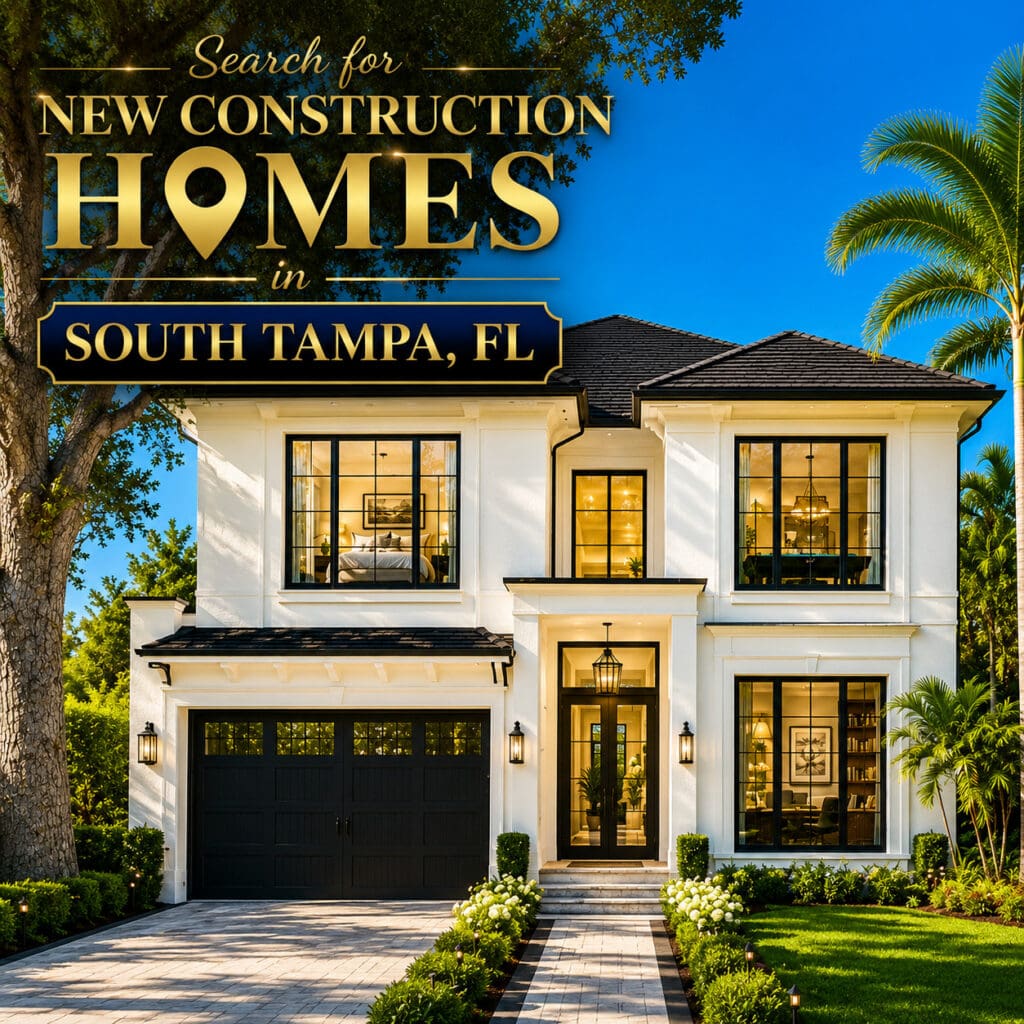

See Homes Where the Full Cost Already Works in Your Favor
Curious how these numbers play out on real homes? Explore current listings across
•Family Communities in New Tampa
• First-Time Buyer Friendly Homes in Riverview
•New Construction in Wesley Chapel
• Valued Priced Homes in Odessa

Elena Esquen, MBA
Realtor® & Broker Associate
New Construction Specialist & Relocation Expert
Coldwell Banker Realty
📱 Phone: 813-822-4261
✉️ Email: Homes@EsquenTampaBay.com
🌐 Website: EsquenTampaBay.com
🏠 Resources: TampaHomesToday.com
🌴 Serving the Greater Tampa Bay Area
Frequently Asked Questions
1. Why can a cheaper home cost more per month than a pricier one?
Interest rate, taxes, insurance, HOA/CDD fees, and incentives combine to determine the true monthly payment, which price alone doesn’t reflect.
2. What are CDD fees, and are they different from HOA dues?
CDD fees repay bonds for community infrastructure like roads and utilities, while HOA dues fund ongoing amenities and maintenance; many Tampa Bay communities carry both.
3. Do new construction homes have higher property taxes?
Often yes, since taxes are typically reassessed based on the finished home’s value rather than the prior undeveloped land assessment.
4. Why does flood insurance vary so much between similar homes?
Flood insurance cost depends on the property’s flood zone designation, elevation, and construction, which can differ even between nearby homes.
5. Can seller concessions really change which home is the better deal?
Yes. Concessions toward closing costs or a rate buydown can lower your effective monthly payment more than a lower price alone would.
6. Should I register with an agent before visiting a builder’s model home?
Yes. Builder sales representatives work for the builder, and buyer representation should typically begin before that first visit to protect your interests.
7. How do I know how much I should budget for repairs on a resale home?
A professional inspection identifies the home’s condition and likely near-term repair needs, helping you estimate realistic added costs.
8. Is buyer-agent compensation something I should ask about upfront?
Yes. Buyer-agent compensation is negotiated directly between buyer and agent and should be discussed clearly before making an offer.
Disclaimer
This content is provided for general educational purposes only and does not constitute financial, tax, or legal advice. Interest rates, taxes, insurance premiums, HOA/CDD fees, and incentive programs vary by property, lender, and community, and are subject to change without notice. Consult a licensed lender, tax professional, and insurance agent for figures specific to your situation. Equal Housing Opportunity.