


New Homeowner? 7 Maintenance Tasks You Shouldn’t Forget
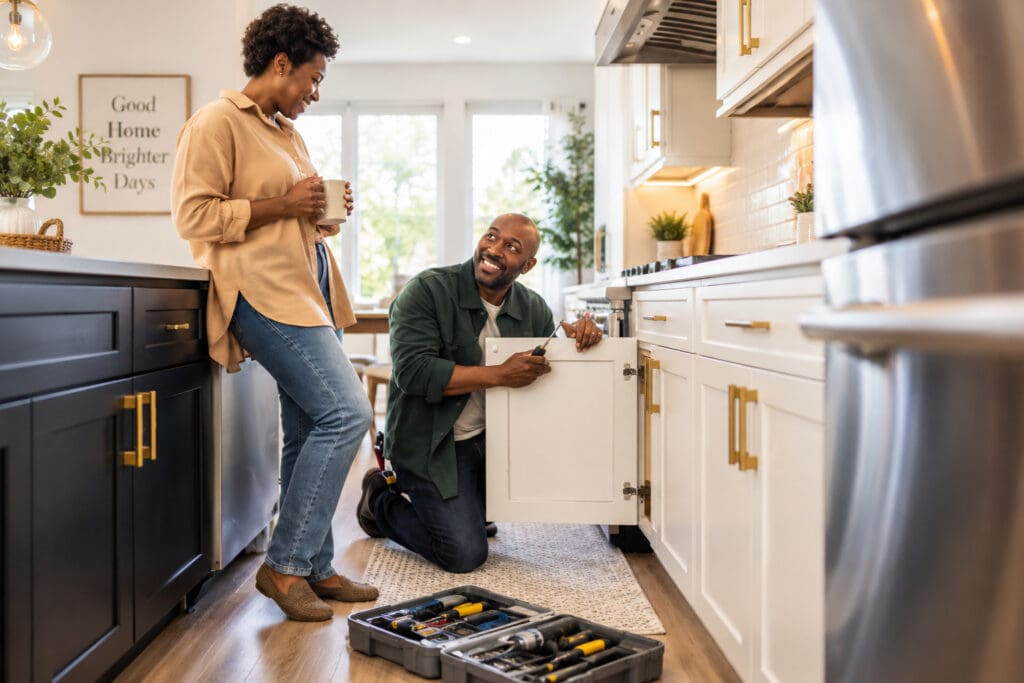
Congratulations on your new home! Once the boxes are unpacked, a short list of maintenance tasks deserves your attention. These seven steps protect your investment, keep your family safe, and help you avoid costly surprises down the road. Whether you just closed on a home in Wesley Chapel, Lutz, or anywhere across Tampa Bay, a proactive approach pays off. Florida’s humidity, seasonal storms, and year-round pest activity make routine upkeep especially important here. Below, we break down each task in simple terms so you know exactly where to start. Let’s walk through your first-90-days homeowner checklist together.
1. Test Your Smoke and CO Detectors
Safety comes first. Before anything else, test every smoke and carbon monoxide detector in the home. Previous owners may have left expired units or dead batteries behind, so don’t assume they work. Press the test button on each device and replace batteries immediately if you hear a weak chirp or no sound at all. Most detectors have a manufacture date printed on the back; if a unit is more than ten years old, replace it entirely. Consider adding detectors to any room that’s missing one, especially bedrooms and hallways. This five-minute task takes almost no effort, yet it directly affects your family’s safety. Mark your calendar to retest every six months going forward.
2. Locate Your Main Water Shutoff Valve
A burst pipe or sudden leak can cause serious damage in minutes, so knowing where your main water shutoff valve is located matters. In most Tampa Bay homes, you’ll find it near the water meter outside, in the garage, or in a utility closet. Once located, turn it clockwise partway and back to confirm it moves freely; valves that sit unused for years can seize up. Label the valve clearly and show every household member where it is. If a leak ever starts, shutting off the water quickly can save you thousands in repair costs. This simple orientation step is one every new homeowner should complete in week one.
3. Change Your HVAC Filters
Florida’s climate means your air conditioning runs nearly year-round, so a clean HVAC filter directly affects both air quality and energy costs. Check your filter size, written on the frame’s edge, and pick up a few replacements right away. A clogged filter forces your system to work harder, which raises utility bills and shortens equipment lifespan. As a general rule, replace standard filters every one to three months, or monthly if you have pets or allergies. While you’re at it, note the manufacture date of your AC unit for future reference. Small, consistent maintenance here helps you avoid an unexpected mid-summer repair call.
4. Inspect for Pests
Florida’s warm, humid climate creates ideal conditions for pests, from ants and roaches to termites and rodents. Walk your new home’s interior and exterior, checking baseboards, window frames, attic spaces, and the foundation line for any signs of activity. Look for discarded wings, small piles of debris, or soft, damaged wood, which can indicate termite activity. If you notice anything concerning, schedule a professional pest inspection promptly, since early treatment is far less costly than structural repair. Many Tampa Bay homeowners also set up a quarterly pest control service as ongoing prevention. Addressing this early protects both your home’s structure and your peace of mind.
5. Clean Gutters and Check Drainage
Tampa Bay’s rainy season puts real strain on gutters and drainage systems, so this task shouldn’t wait. Clear leaves, debris, and any nesting materials from gutters, and confirm downspouts direct water at least several feet away from your foundation. Standing water near your home’s base can lead to mold, wood rot, or foundation issues over time. Walk the yard after a heavy rain to spot any low areas where water pools rather than draining away. If you notice persistent pooling, grading adjustments or a French drain may be worth discussing with a landscaper. Staying ahead of drainage issues now helps prevent expensive water damage later.
6. Service Your AC Unit
Your air conditioning system works hard in Florida’s heat, so a professional service call is a smart early investment. A licensed technician can check refrigerant levels, clean coils, inspect ductwork, and confirm the system runs efficiently. This visit also gives you a baseline understanding of your unit’s condition and expected lifespan. Ask the technician about a recommended maintenance schedule, typically twice a year for most Tampa Bay homes. Catching small issues, like a failing capacitor or dirty coil, before they become major repairs can save significant money. A well-maintained AC system also keeps your energy bills more predictable.
7. Re-Key Your Locks
You never know how many copies of your old keys exist, so re-keying your locks is an easy security upgrade. A locksmith can typically re-key existing hardware in under an hour, often for less than the cost of full lock replacement. This step covers front and back doors, garage entry doors, and any exterior locks. While you’re at it, consider updating garage door codes and any smart lock passcodes to defaults you control. This small investment offers real peace of mind as you settle into your new home. It’s one of the simplest ways to make a house feel truly yours.
Explore Homes in Tampa Bay


Ready to Move Into Your Next Well-Maintained Home?
If you’re searching for a home where these maintenance basics are already handled, right roof, updated systems, and a move-in-ready condition, explore active listings across Tampa Bay’s most popular relocation destinations:
- 🏡 Wesley Chapel Listings — new construction and move-in ready homes
- 🏡 Odessa Listings — spacious lots near top-rated schools
- 🏡 New Tampa Listings — commuter-friendly communities
- 🏡 Riverview Listings — family-oriented, amenity-rich subdivisions
- 🏡 Apollo Beach Listings — waterfront and boating access homes
- 🏡 Lutz Listings — rural charm with easy highway access

Elena Esquen, MBA
Realtor® & Broker Associate
New Construction Specialist & Relocation Expert
Coldwell Banker Realty
📱 Phone: 813-822-4261
✉️ Email: Homes@EsquenTampaBay.com
🌐 Website: EsquenTampaBay.com
🏠 Resources: TampaHomesToday.com
🌴 Serving the Greater Tampa Bay Area
Frequently Asked Questions
1. What should a new homeowner do first?
Start with safety: test smoke and carbon monoxide detectors, then locate your main water shutoff valve so you’re prepared for any emergency.
2. How often should I change my HVAC filter in Florida?
Most homeowners should replace standard filters every one to three months; monthly changes are recommended for households with pets or allergy concerns.
3. Where is the main water shutoff valve usually located?
It’s commonly found near the water meter outside, in the garage, or inside a utility closet, though placement varies by home.
4. How can I tell if I have termites?
Look for discarded wings, mud tubes, or soft, damaged wood along baseboards and the foundation line, and schedule a professional inspection if you notice signs.
5. How often should gutters be cleaned in Tampa Bay?
Twice a year is typical, though homes with heavy tree coverage may need quarterly cleaning during rainy season.
6. Is it necessary to re-key locks after buying a home?
Yes. You can’t know how many key copies exist from previous owners or contractors, so re-keying is a simple, affordable security step.
7. How often should an AC unit be professionally serviced?
Most HVAC professionals recommend service twice a year, ideally before peak summer and winter usage periods.
8. Are these maintenance tasks different for new construction homes?
New construction homes still need these checks, though some tasks, like pest inspection or drainage grading, may be covered under a builder warranty for a limited time.
Disclaimer
This content is provided for general educational purposes and does not constitute professional home inspection, contracting, or legal advice. Homeowners should consult licensed professionals (HVAC technicians, pest control specialists, locksmiths, and contractors) for specific maintenance and repair needs. Equal Housing Opportunity. All information is deemed reliable but not guaranteed; buyers and homeowners should independently verify details relevant to their specific property.