


New Construction Home in Tampa Bay? Don’t Skip These Inspections
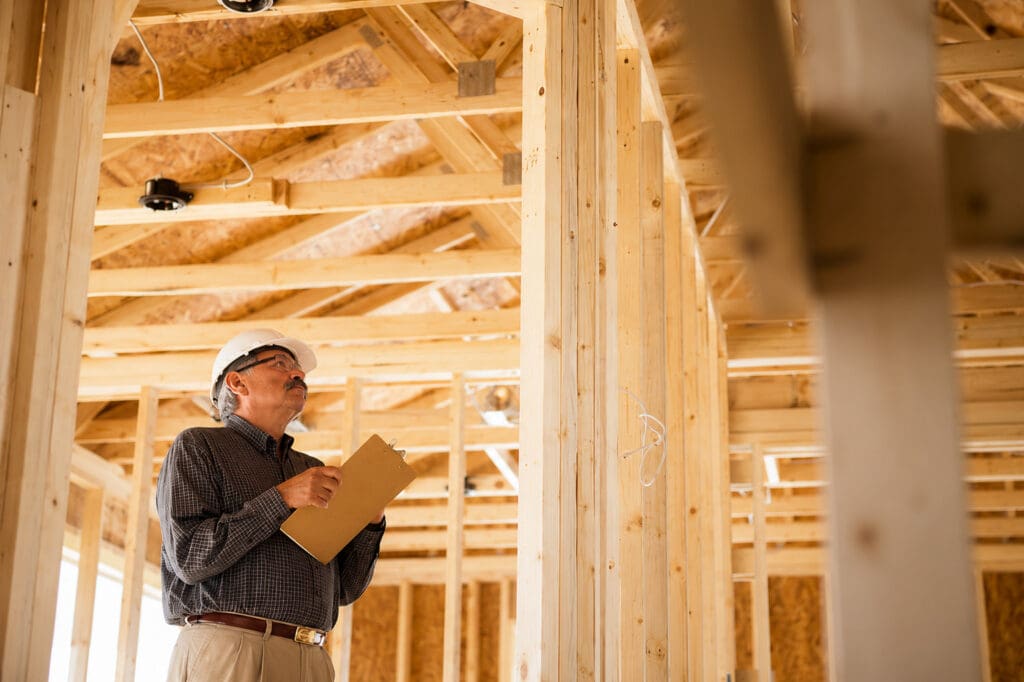
A brand-new home in Tampa Bay feels like a fresh start — new appliances, a clean layout, and nothing to fix on day one. But new construction does not automatically mean flawless construction. Even with a reputable, well-known builder, your home passes through the hands of dozens of subcontractors before the keys reach you. That’s exactly why I recommend independent inspections at specific stages, not just the builder’s final walkthrough. Here’s what every buyer building in Wesley Chapel, Land O’ Lakes, Odessa, San Antonio, or anywhere across Pasco and Hillsborough County should know before signing that contract.
Why “New” Doesn’t Mean “Perfect”
Tampa Bay’s new construction communities are booming, and for good reason — modern layouts, energy efficiency, and builder incentives make new homes attractive. But a new build involves framers, electricians, plumbers, and HVAC teams, each working on tight schedules. Mistakes happen, and not every issue is visible once walls are closed up.
A builder’s warranty helps, but it works best when problems are caught early. An independent inspector represents you, not the builder, and that distinction matters most during the stages when problems are still easy to see and cheap to fix.
Buyers relocating from out of state often assume “new” eliminates the need for due diligence. In Tampa Bay’s fast-moving market, that assumption can cost thousands later. Scheduling inspections at the right moments protects your investment long before move-in day — and gives you leverage while the builder still has crews on site to make corrections.
Stage 1: Pre-Pour / Foundation Inspection
This inspection happens before the concrete slab is poured — one of the most important and most overlooked stages. Once concrete goes down, almost everything underneath becomes permanently hidden.
At this stage, an inspector can typically review:
- Foundation preparation and soil compaction
- Plumbing and drain line placement
- Underground electrical and utility components
- Overall readiness before the slab covers everything
For homes built on Tampa Bay’s sandy or clay-heavy soils, proper preparation is critical to long-term stability. If something is misaligned or improperly installed here, it can be extremely costly — or impossible — to correct after the pour.
This is also the stage many buyers skip simply because they don’t know it exists. Ask your builder early in the process what access is available for a pre-pour inspection, since timing is tight and the window closes fast once the pour is scheduled.
Stage 2: Pre-Drywall Inspection
This is often considered the single most valuable inspection in the entire new construction process, because the home’s “bones” are still fully visible.
Before insulation and drywall go up, an inspector can typically examine:
- Electrical wiring and panel connections
- Plumbing lines throughout the home
- HVAC ductwork and connections
- Structural and roof framing
- Overall workmanship and installation quality
Once drywall covers these systems, identifying issues becomes far more difficult and often requires cutting into finished walls. For Florida homes especially, proper HVAC and moisture-related installation matters for long-term comfort and efficiency.
If you only schedule one inspection during the build process, this is the stage most inspectors and experienced buyers recommend prioritizing. It’s your best opportunity to catch structural, mechanical, or electrical issues while correcting them is still simple and inexpensive for the builder to address.
Stage 3: Final Inspection Before Closing
Even a brand-new home deserves an independent inspection before closing — this is different from the builder’s own final walkthrough or punch-list appointment.
At this stage, your inspector evaluates visible and accessible components, including:
- Roof and attic
- HVAC system function
- Electrical systems and outlets
- Plumbing fixtures and connections
- Windows, doors, and seals
- Appliances
- General workmanship throughout
The key distinction here matters: your independent inspector works for you, not the builder. Builder walkthroughs are helpful, but they’re conducted by someone with a natural interest in closing the sale on schedule.
A final inspection gives you a documented, objective list of items to request the builder address before you sign closing paperwork — while you still have full negotiating leverage. Once you close, that leverage changes significantly, so this step should never be skipped, regardless of how polished the home looks.
Stage 4: The 11-Month Warranty Inspection
Many buyers forget about their home the moment they move in — but this last inspection may be the most financially valuable of all.
Most new-home warranties include roughly one year of coverage for certain workmanship or material issues, though every builder’s terms differ. Scheduling an inspection around month 11 helps identify:
- Settling cracks or drywall issues
- HVAC or plumbing concerns that surfaced after living in the home
- Items that weren’t visible until a full Florida wet season and dry season had passed
This timing matters because it gives you a window to submit eligible items to your builder before the warranty period closes. After that, some repairs that would have been covered may become your responsibility entirely.
Set a calendar reminder the day you close. Many buyers who skip this step only discover issues once it’s too late to file a claim, turning a covered repair into an out-of-pocket expense.
Why This Matters for Tampa Bay Buyers
Tampa Bay’s new construction market spans dozens of active communities across Wesley Chapel, Land O’ Lakes, Odessa, San Antonio, New Tampa, and beyond — each with different builders, contract terms, and inspection policies.
Some builders welcome independent inspections at every stage. Others restrict access or require advance notice, specific insurance, or scheduling coordination with their construction team. This is one of the most overlooked parts of the new construction buying process, and it varies significantly from one builder — and even one community — to the next.
Relocation buyers in particular often assume the process works the same everywhere. It doesn’t. Understanding your specific builder’s inspection policy before you sign is just as important as understanding the floor plan or the price.
This is exactly where having a knowledgeable local buyer’s agent matters. Reviewing contract language for inspection rights, notice requirements, and access windows before you sign protects you throughout the entire building process — not just at closing.
New Construction Buyer Tip
Before signing any builder contract, ask these questions directly:
- What independent inspections are permitted, and at which stages?
- How much advance notice is required to schedule access?
- Does the inspector need to meet any builder-specific requirements or insurance minimums?
- Who coordinates scheduling — you, your agent, or the builder’s team?
Inspection rights and timelines vary meaningfully between builders and even between communities from the same builder. What’s standard practice at one Wesley Chapel community may be restricted at a Land O’ Lakes or Odessa community just miles away.
Getting these answers in writing before you sign avoids scrambling to negotiate access after the fact, when your leverage is far weaker.
Conclusion
Building a new home in Tampa Bay is exciting, but “brand new” doesn’t mean “no due diligence required.” From the pre-pour stage through the 11-month warranty check, independent inspections protect your investment at the moments when catching a problem is easiest and cheapest.
If you’re comparing builders, communities, incentives, or contract terms anywhere in Wesley Chapel, Lutz, Odessa, San Antonio, Land O’ Lakes, New Tampa, or greater Tampa Bay, I’d love to help you navigate the entire process — from contract to closing and beyond.
Explore Homes in Tampa Bay


New Construction Communities Worth a Closer Look
Thinking about building instead of buying resale? These growing Tampa Bay communities offer some of the area’s newest floor plans, builder incentives, and family-friendly amenities:
•Family Communities in New Tampa
• First-Time Buyer Friendly Homes in Riverview
•New Construction in Land O’ Lakes
• Valued Priced Homes in San Antonio
Frequently Asked Questions
1. Do I really need an inspection on a brand-new home?
Yes. New construction still involves multiple subcontractors and manual installation, so issues can occur even with reputable builders. An independent inspection protects your interests at every stage of the build.
2. What is a pre-pour inspection?
A pre-pour inspection happens before the concrete foundation is poured, allowing review of plumbing, underground utilities, and foundation preparation before these areas are permanently covered.
3. Why is the pre-drywall inspection considered so important?
Before drywall goes up, the home’s electrical, plumbing, HVAC, and framing are fully visible, making this one of the easiest and most cost-effective stages to identify issues.
4. Is the builder’s final walkthrough the same as an independent inspection?
No. The builder’s walkthrough or punch-list appointment is conducted by the builder’s team. An independent inspector works exclusively for you, the buyer.
5. What is an 11-month warranty inspection?
It’s an inspection scheduled near the end of most builder warranty periods to identify issues that became noticeable after living in the home, while there’s still time to file a covered claim.
6. Can every builder be inspected at every stage?
No. Inspection access, notice requirements, and policies vary by builder and even by community, so it’s important to clarify this before signing a contract.
7. Are new construction homes in Tampa Bay a good investment right now?
Many Tampa Bay communities continue to see strong demand, though value depends heavily on location, builder reputation, and long-term community growth. A local agent can help evaluate specific options.
Disclaimer
This article is intended for informational purposes only and should not be considered financial, legal, tax, or real estate advice. Builder inspection policies, warranty terms, and contract provisions vary and can change at any time. For personalized guidance regarding new construction or real estate goals in Tampa Bay, Wesley Chapel, Lutz, Odessa, San Antonio, Land O’ Lakes, or surrounding Florida communities, contact me directly. Equal Housing Opportunity.