

Data Centers Near Homes: What Tampa Bay Buyers Should Know
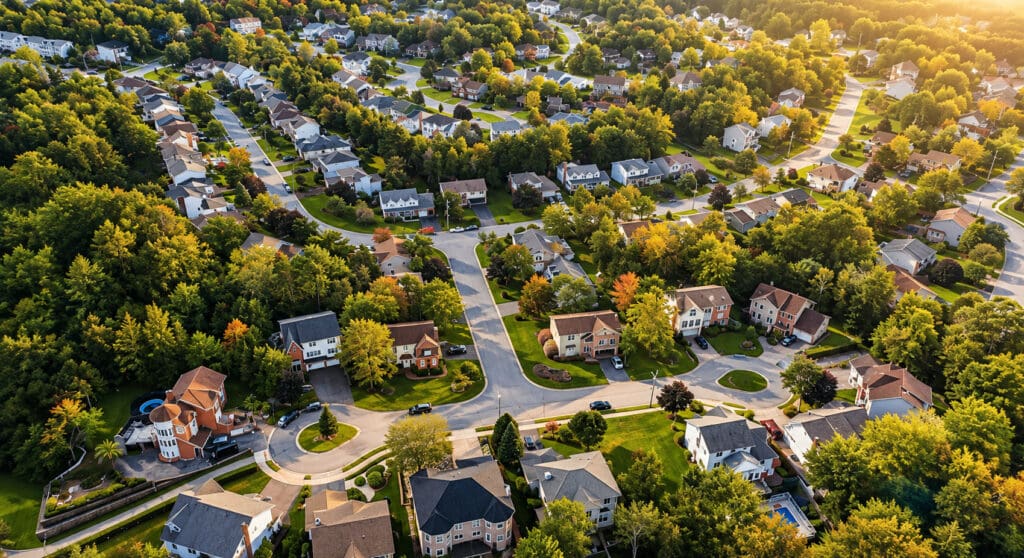
School districts, commute times, proximity to family — these are the usual questions buyers bring to a home search. A large building full of servers down the road probably isn’t one of them. That may be changing.
As data centers become more common across the country, buyers and homeowners are starting to ask what having one nearby could mean for home values, noise, and utility bills. Here’s what the research actually shows, because the answer is more nuanced than simply “good” or “bad” for real estate.
Data Centers Are Showing Up in More Communities
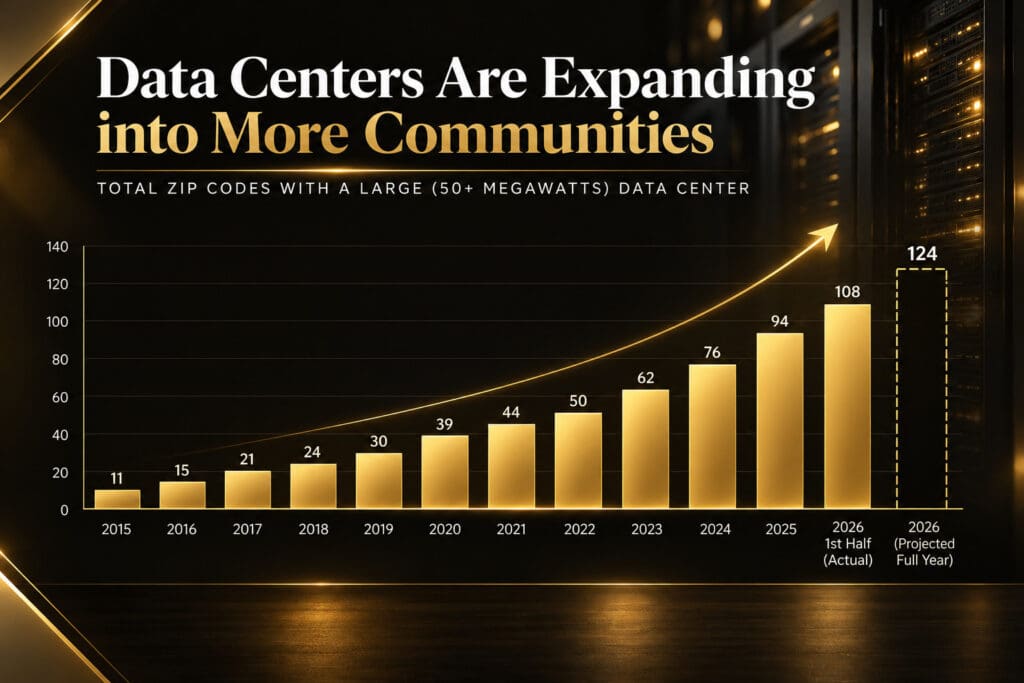
Growth in this sector has been rapid. National data from Realtor.com shows large data centers existed in only about a dozen ZIP codes back in 2015. By the first half of 2026, that figure had climbed past 100, with further growth expected by year’s end.
HousingWire reporting points to states like Texas, Virginia, Georgia, Pennsylvania, Ohio, Utah, Illinois, Arizona, Indiana, and Nevada as hotspots for this expansion. While Florida hasn’t led that particular list, the broader trend means more buyers nationwide — including those relocating to Tampa Bay — may encounter this topic during a home search or hear about a project proposed near their current property.
Note: The figures above reflect national trends reported by Realtor.com and HousingWire, not Tampa Bay–specific data.
Does a Nearby Data Center Hurt Home Values?
This is usually the first question that comes up, and so far, the data doesn’t support an automatic answer either way.
Researchers compared communities with large data centers to similar communities without them. According to HousingWire’s reporting, home values in these areas tracked closely with their matched communities, without meaningful gains or losses tied directly to the facility. Listing prices did show a modest, temporary bump around the time a center opened.
That doesn’t guarantee every property behaves the same way. Distance from the facility, surrounding development, and the specifics of each project can all shape the outcome. But for most homeowners and buyers, the evidence so far doesn’t point to a predictable hit — or boost — to value based on proximity alone.
Weighing the Tradeoffs
Like most major development, data centers bring a mix of benefits and considerations worth understanding upfront.
Potential upsides:
- Broader growth and added property tax revenue that can fund community improvements
- Infrastructure upgrades, including roads, fiber, and power capacity
- Job creation that can support local housing demand and nearby businesses
Potential downsides:
- Visible impact from the facility itself, transmission lines, substations, and construction
- Noise from cooling equipment, generators, and truck traffic, depending on distance
- Higher demand on electricity and water resources, which can raise infrastructure questions
On utility costs specifically, a spokesperson for the Ohio Consumers’ Counsel told HousingWire that rate increases tied to data center demand tend to happen gradually rather than all at once, and that various regions are exploring ways to soften that impact. It’s a factor worth watching, not a guaranteed cost spike.
What Buyers and Sellers Should Do
If you’re buying, ask what’s already built nearby, plus anything approved or proposed for the future. Factor in proximity, potential noise, and whether utility costs matter to your budget planning.
If you’re selling near a data center, don’t assume it automatically works against you. Buyers may still have questions, so having clear facts about the facility, its timeline, and any noise or infrastructure details ready can help you address concerns before they become objections.
Either way, local guidance matters more than national headlines. What applies in a Virginia data center corridor may look nothing like a Florida community weighing similar development.
Explore More Homes in Tampa Bay
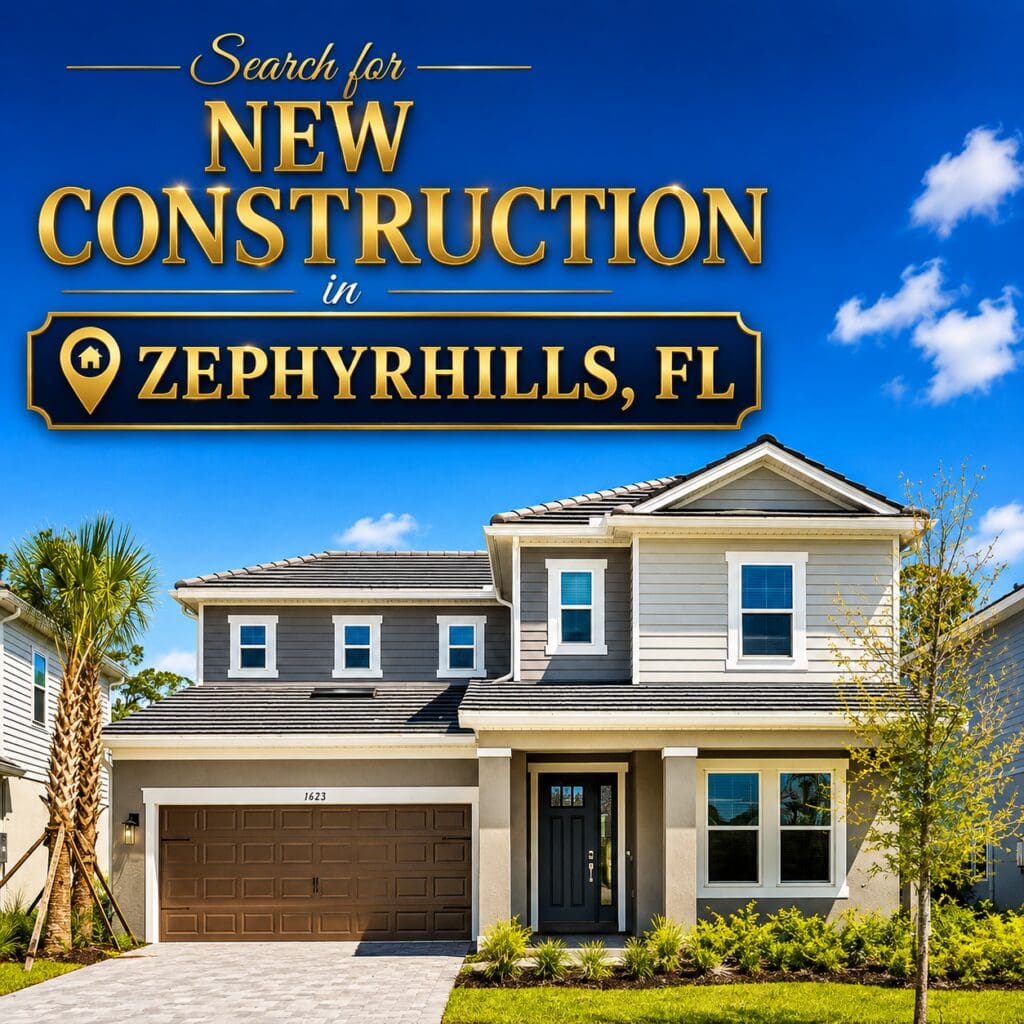
See the Neighborhoods for Yourself
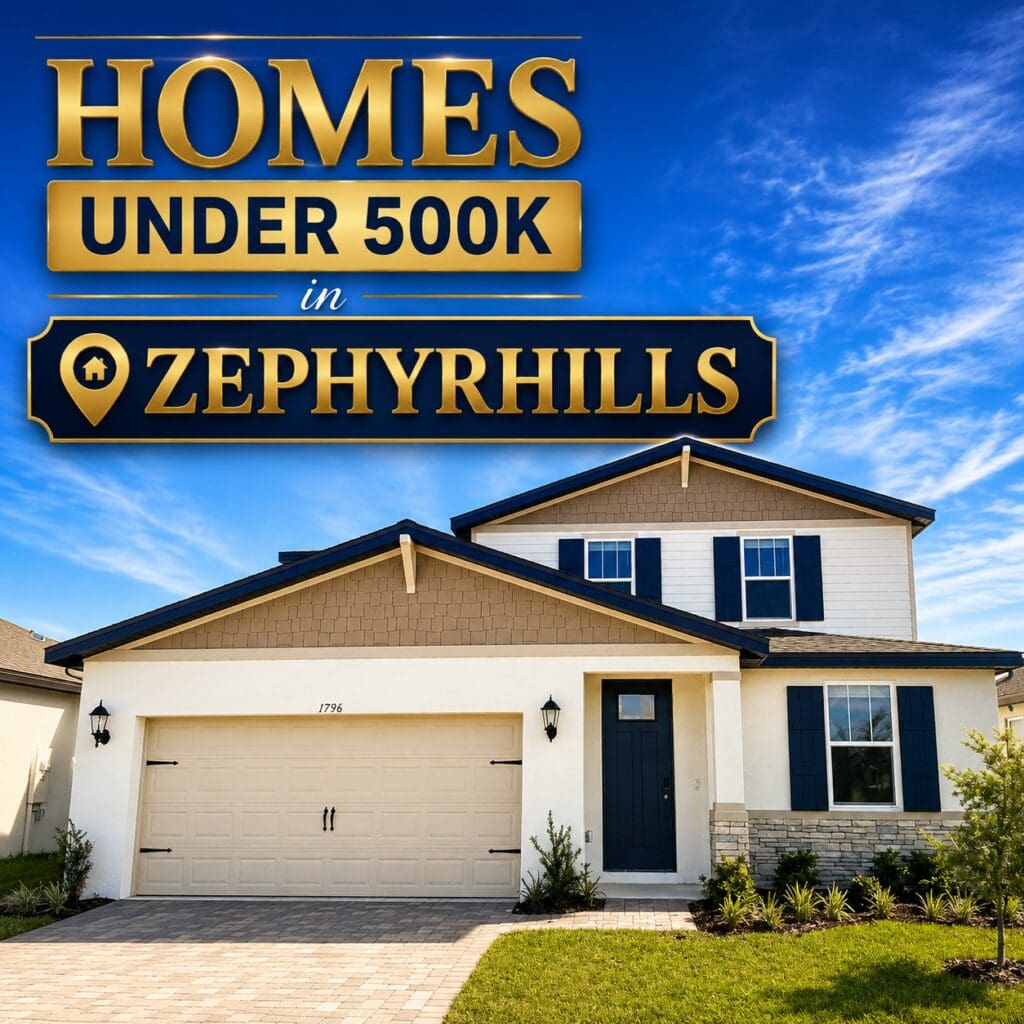
Data and headlines can only tell you so much — the best way to judge how a growing area feels is to walk it. Browse move-in-ready homes across Tampa Bay’s most in-demand communities, each offering the infrastructure and growth benefits of development without sacrificing the quiet, established feel buyers want.
•Family Communities in New Tampa
• First-Time Buyer Friendly Homes in Riverview
•New Construction in Wesley Chapel
• Valued Priced Homes in Odessa

Elena Esquen, MBA
Realtor® & Broker Associate
New Construction Specialist & Relocation Expert
Coldwell Banker Realty
📱 Phone: 813-822-4261
✉️ Email: Homes@EsquenTampaBay.com
🌐 Website: EsquenTampaBay.com
🏠 Resources: TampaHomesToday.com
🌴 Serving the Greater Tampa Bay Area
Frequently Asked Questions
1. Do data centers lower home values nearby?
Research comparing communities with and without large data centers shows values generally track similar communities, with no consistent gains or losses tied directly to the facility.
2. Will living near a data center raise my utility bills?
It’s possible, but experts describe the effect as gradual rather than sudden, and it depends heavily on local utility policy and how much new demand a region absorbs.
3. How many data centers are there in the U.S. now?
National data from Realtor.com shows large data center ZIP codes grew from about a dozen in 2015 to more than 100 by the first half of 2026.
4. Which states are seeing the most data center growth?
HousingWire reporting points to Texas, Virginia, Georgia, Pennsylvania, Ohio, Utah, Illinois, Arizona, Indiana, and Nevada as current hotspots.
5. What noise or visual impact should I expect?
Cooling equipment, generators, construction, and truck traffic can be noticeable depending on distance from the facility; transmission lines and substations may also change the local landscape.
6. Are there any benefits to having a data center nearby?
Yes — potential benefits include increased property tax revenue, infrastructure upgrades like roads and fiber, and job creation that can support local housing demand.
7. What should I ask before buying near a proposed data center?
Ask what’s already built, what’s approved or proposed, expected timelines, noise mitigation plans, and how local utility providers are managing added demand.
8. Should sellers disclose a nearby data center?
While requirements vary by area, being upfront about a nearby facility’s status and any known plans can help address buyer questions before they become objections. Check with your agent or attorney on local disclosure rules.
Disclaimer
National statistics referenced in this article (data center ZIP code counts, home value comparisons, and utility cost commentary) are sourced from Realtor.com and HousingWire and reflect national or multi-state trends, not Tampa Bay–specific data. Local market commentary reflects informed professional perspective, not localized statistical findings. Always verify data center proposals, utility provider information, and CDD or infrastructure disclosures directly with the relevant municipality or utility company before making a purchase decision. Equal Housing Opportunity.